

Emerging at the Table
spring rises

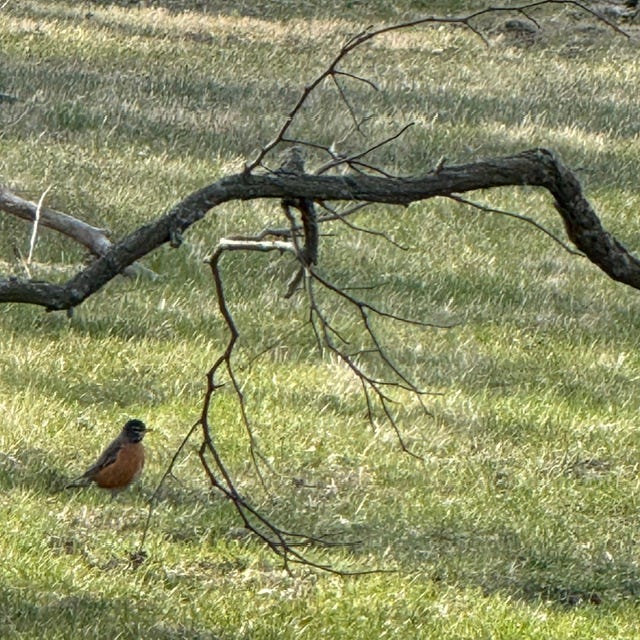
Spring is officially here! I feel this time of year throughout my body. The change of light energizes me and it’s almost as if the thawing ground, first herbs and bulbs bursting forth inspire my body to come out of its hibernation. I am craving a new lightness and freshness in my space and on my menu. Early spring brings a gentle medicine. Our bodies naturally begin to crave greens, hydration, fresh herbs, and lighter broths or soups. These are foods that awaken us both body and soul.

Cultures throughout the ages have celebrated the return of spring after a long, harsh winter by eating the first new greens they can find. Native Americans took advantage of fresh, wild plants to supplement their winter diets of dried foods; foraging in woodlands or near streams could bring in an entire meal in some cases.
Mushrooms often sprouted with the renewed moisture of spring; experts had to hunt for this very nutritious, but dangerous food. Women hunted dandelions, wild onions and leeks, ramps, chickweed, poke, and wild mustard (or a related plant called “creasy greens”) as soon as possible since many of these plants get more bitter as they grow older. Even young, tender leaves and shoots can be bitter, but these wild plants are very nutritious and have long been considered a tonic to wake up the liver and kidneys after a long winter diet of dried starches (like beans and pumpkin) and meat.1
As Spring rises pushing warmer days through the earth, we are beginning to put our plans in motion. This weekend we will seed spinach, radishes and kohlrabi in the garden to jump start our growing season. We are still a few weeks away from foraging the first wild ramps, asparagus, nettles and stalks from our massive rhubarb plant. These early crops whet our appetite for lighter fare soon to grace our kitchen table.
I made one of my favorite spring meals yesterday, Asparagus, Fennel and Spinach soup. It is a must try!!

If you are in an area where spring is in full bloom, I highly recommend harvesting and cooking with nettles.
This herb is a food. Our bodies know how to use the nutrients because we’ve co-evolved with plants—and nettles grow all over the world, so most of us have ancestral ties to this plant. We are evolutionarily familiar with one another. Nettles, like many green herbs that are suitable as food, are easy to digest and assimilate. I think of nettle as an ally that cleans up our inner waterways: the lymph, blood, kidneys, and bladder.2
This recipe is my go to for nettles but I think I’ll be trying several from the article in footnote 2 this season!

What special spring meals are you looking forward to? I’d love to hear in the comments, I’m always looking for new ideas 🍃
If you enjoy my free content, consider buying me a coffee to support my work!
Until next time,

Hello friend! My name is Amy. I am so happy you have stopped by 🍃 If you are new here, a warm welcome to you! This space is where I am learning to walk the wise woman road by returning to my true self through seasonal living, reflective writing, nourishing food, intuition, and resilience. Rooted in the rhythms of the earth and my lived experience, these writings are an invitation to slow down, listen inward, and remember what nourishes us. If this resonates with you, I invite you to subscribe and walk the seasons alongside me.
A great article on the 2000 year history of nettles as used in fibre arts, medicine and ritual
Thank you for an inspiring invitation to Spring. I have thyme growing on my patio and spinach in my favorite soups.